
How to Avoid Winter Airport Delays: Your Complete Toronto Travel Guide
Winter travel in and out of Toronto brings extra variables — snow, ice and shifting schedules. This guide walks you through straightforward, practical steps to reduce stress and keep your trip on track at Toronto Pearson. We’ll explain why delays happen, which tools give the best real-time updates, transportation choices that improve reliability, and simple packing tips so you’re ready for whatever winter throws at you.
What Causes Winter Airport Delays at Toronto Pearson?
Weather is only part of the story. Heavy snow, freezing rain and low visibility directly affect runway operations and aircraft turnarounds, which can trigger cancellations or long hold times. Beyond that, airport capacity and air traffic control constraints amplify delays when conditions deteriorate. Knowing the main drivers helps you plan smarter and keep expectations realistic.
Studies and industry reports make clear: delays stem from many linked factors — not just snowfall — so a broad view of operations is essential.
Understanding Airport Delays: Winter Weather & Air Traffic Impacts
Airport delays fluctuate by season and reflect both weather and system-level pressures: air traffic control load, airline operations and airport capacity all play a role.
Networks for Flight Delay Analysis: A Scoping Review and Research Agenda, S Wandelt, 2025
How Do Snowstorms and Freezing Rain Impact Flight Schedules?
Snow and freezing rain create two main problems: runway and surface safety, and longer aircraft turnarounds. Runway clearing and de-icing take time and resources; freezing rain can make takeoffs and landings unsafe, prompting cancellations. Past storms have shown some events affect upward of 40% of flights. The best defenses are monitoring forecasts closely and building buffer time into your travel plans.
Past incidents highlight how quickly severe winter weather can strain airport operations and ripple across entire networks.
Airport Preparedness for Winter Weather & Travel Chaos
The December 2010 European winter disrupted travel across the continent, grounding flights at major hubs like London Heathrow and demonstrating the need for stronger airport preparedness measures.
Winter blues at European airports: The need for airport responsibility and corporate foresight, 2011
What Are the Latest 2022-2023 Delay Statistics for Toronto Airport?
Recent seasonal data shows winter weather remained a top contributor to disruptions. During the 2022–2023 winter season, roughly 25–30% of flights at Toronto Pearson experienced delays tied to winter conditions. That pattern reinforces why planning, flexibility and reliable ground transport matter more in winter months.
Which Tools Help Monitor Real-Time Flight Delays in Winter?
A few reliable apps and services will keep you ahead of changes. Use multiple sources — airline notifications plus independent trackers — to get the clearest picture of your flight’s status and weather impacts.
What Are the Best Apps and Websites for Toronto Flight Status Updates?
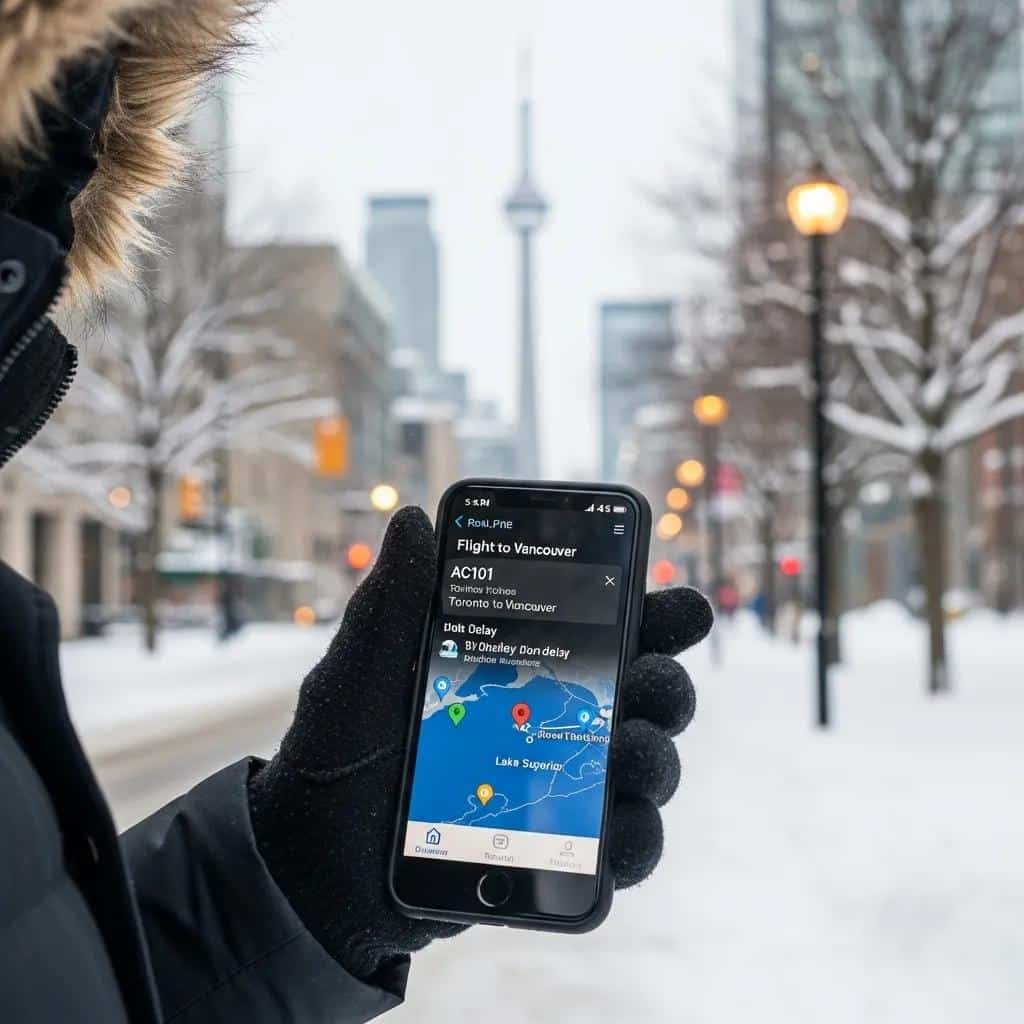
Popular trackers like FlightAware and Flightradar24, together with the official Toronto Pearson app and your airline’s notifications, give the fastest updates. These platforms offer real-time alerts, mapping and weather overlays so you can decide whether to leave earlier, delay your trip or rebook.
How to Use Weather and Delay Trackers to Plan Your Travel?
Check forecasts for both departure and arrival cities and enable push notifications for your flight. If trackers show deteriorating conditions, consider adjusting your schedule: arrive earlier, switch to an earlier flight when possible, or discuss alternatives with your airline. Small timing changes can often avoid the biggest delay windows.
Emerging research is investigating how IoT and multi-source data can improve delay forecasts by combining flight, weather and air-quality inputs.
Predicting Flight Delays with IoT Data & Weather Factors
Researchers are exploring IoT-derived data from distributed sensors to better understand and forecast flight delays, integrating flight, weather and air-quality information into prediction frameworks.
A system for effectively predicting flight delays based on IoT data, A Aljubairy, 2020
What Are the Best Transportation Options to Avoid Winter Airport Delays?
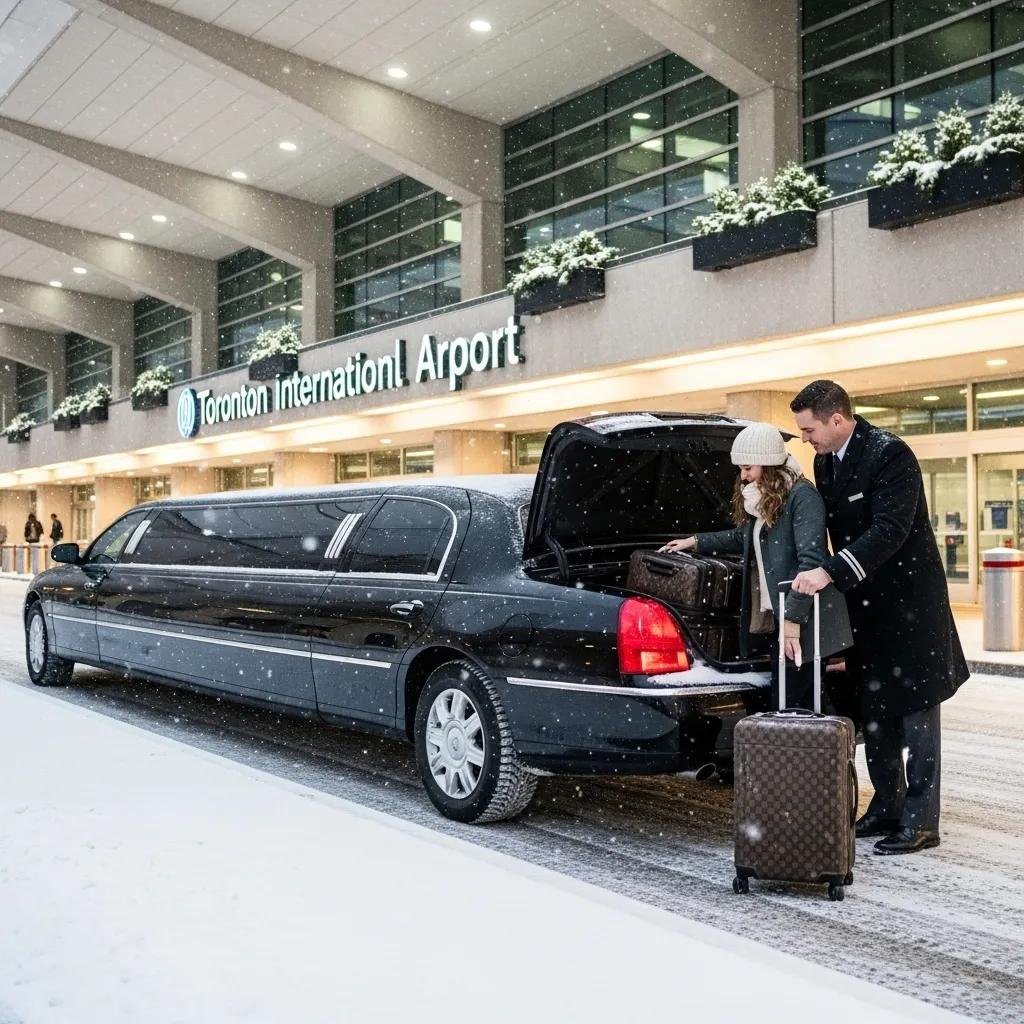
Choosing dependable ground transport reduces the chance that a weather-related issue at your doorstep turns into a missed flight. Below are common options and what to expect from each in winter conditions.
- Luxury Limo Service
: A professional limo service is often the most reliable winter transfer. Drivers trained for winter conditions, vehicles with winter tires and proactive monitoring of road and airport conditions help ensure timely arrivals. VVIP Toronto Limo specializes in premium, punctual transfers across the Greater Toronto Area for both business and leisure travelers.
- Airport Shuttles
: Shuttles are cost-effective but can be slower in winter because of multiple stops and schedule adjustments. Check the operator’s winter policies and allow extra time if you choose this option.
- Public Transit
: Buses and trains remain an option but may run delayed during severe weather. If you rely on transit, build extra buffer time and confirm service updates before you travel.
How Does VVIP Toronto Limo Ensure Punctuality and Comfort in Winter?
VVIP Toronto Limo focuses on on-time performance and passenger comfort, especially when winter weather complicates plans. Their approach combines equipment, training and communication so you travel with confidence.
What Features Make VVIP Toronto Limo Ideal for Winter Travel?
The fleet is winter-ready — vehicles fitted with winter tires and safety features, and drivers experienced in winter road conditions. Attention to detail, courteous service and clear pickup coordination make journeys smoother and less stressful when timetables tighten.
How Does VVIP Toronto Limo Address Winter Weather Challenges?
VVIP Toronto Limo uses live weather monitoring and flexible routing to respond to changing conditions. Drivers and dispatch keep clients informed of any adjustments, so you know what to expect and can plan connections with confidence.
What Are Essential Packing and Preparation Tips for Winter Travel in Toronto?
Good preparation makes delays easier to handle. Beyond checking flights and ground transport, a few packing choices keep you comfortable and ready for the unexpected.
How to Pack Smartly for Winter Airport Delays and Weather?
Layer clothing so you can adapt to different indoor and outdoor temperatures. Pack a compact waterproof jacket, warm footwear, and small comforts like a neck pillow, chargers and non-perishable snacks. These items make unexpected waits much more manageable.
What Emergency Plans Should Travelers Have for Flight Delays?
Have a simple backup plan: share your itinerary with someone, note alternative transport options and know nearby hotels that allow flexible check-in. Consider travel insurance that covers weather-related cancellations and extra-night stays for added peace of mind.
How Can You Navigate Toronto Airport Terminals Efficiently During Winter?
Winter adds friction to moving between curb, security and gates. A few small habits help you move faster and stay calm when terminals are busy.
What Are Key Tips for Airport Terminal Navigation in Snowy Conditions?
Follow signage and watch information screens for gate changes. Allow extra time for transfers — sidewalks and moving walkways can be slower in icy conditions. If you’re unfamiliar with the layout, check a terminal map before arrival so you don’t waste time looking for connections.
How to Use Airport Facilities to Minimize Delay Impact?
Make use of lounges for quiet work or rest, eat at on-site restaurants during long waits, and take advantage of Wi‑Fi and charging stations to stay connected. These amenities make delays far less disruptive.
Frequently Asked Questions
What should I do if my flight is delayed due to winter weather?
If your flight is delayed because of winter weather, the first step is to stay informed through your airline’s app and a reliable flight tracker. Contact the airline for rebooking options if the delay is significant. If you’re already at the airport, find a comfortable spot, keep essential items within reach, and update your contacts about your situation. For overnight delays, inquire about accommodation options from the airline or utilize travel insurance if you have it to cover unexpected expenses.
How can I prepare for potential airport delays before my trip?
Preparation is key to managing potential airport delays. Check weather forecasts and flight statuses 48 hours prior to your travel date and enable notifications for updates. Plan to leave earlier than usual to account for possible delays, pack warm layers and essential supplies, and familiarize yourself with alternative travel options. This proactive approach allows you to respond quickly if your plans change due to unforeseen circumstances.
Are there specific times when winter delays are more likely to happen?
Yes, winter delays are more common during peak travel periods, such as holidays and long weekends, as well as during significant winter storms. Flights scheduled during off-peak times, particularly midweek and early morning departures, may experience fewer delays. However, it’s always wise to check current conditions before traveling, as weather can change rapidly and impact flight schedules.
What should I know about travel insurance for winter flights?
Travel insurance can be a valuable asset for winter flights, as it may cover additional costs arising from cancellations, delays, and missed connections due to weather-related incidents. When selecting a policy, carefully review the terms to understand coverage limits, exclusions, and the claims process. This knowledge ensures you are prepared for any unexpected situations that may arise during your winter travels.
How can I stay updated on real-time weather conditions during my travel?
To stay updated on real-time weather conditions, utilize reliable weather apps such as The Weather Channel or AccuWeather, and enable alerts for significant changes. Combining these weather updates with flight-tracking notifications provides a comprehensive view of how conditions may affect your travel itinerary. This proactive approach helps you make informed decisions and adjust your plans as necessary.
What are the best practices for navigating Toronto Pearson Airport during winter?
When navigating Toronto Pearson Airport in winter, it’s essential to build in extra time for transfers and follow airport advisories closely. Utilize lounges or indoor waiting areas during delays to stay comfortable. Keep essential documents and chargers easily accessible, and if you rely on ground transportation, confirm pickup times and allow additional buffer time for travel. These practices can help minimize stress and ensure a smoother airport experience.
What should I do if my flight is delayed due to winter weather?
Stay informed via your airline’s app and a trusted flight tracker. Contact the airline promptly about rebooking options if the delay is long. If you’re already at the airport, secure a comfortable spot, keep essentials handy and keep your contacts updated. For overnight delays, ask the airline about accommodation or use travel insurance if you have it.
How can I prepare for potential airport delays before my trip?
Check forecasts and flight status in the 48 hours before travel and enable notifications. Leave earlier than you normally would, pack warm layers and basic supplies, and review alternate travel options so you can act quickly if your plans change.
Are there specific times when winter delays are more likely to happen?
Delays rise during peak travel periods such as holidays and long weekends, and during major winter storms. Off-peak midweek flights and morning departures can sometimes be less affected, but always verify conditions before you travel.
What should I know about travel insurance for winter flights?
Travel insurance can cover additional costs from cancellations, delays and missed connections if you choose a policy that includes weather-related incidents. Read the fine print to understand limits, exclusions and claim procedures so you know what’s covered when you need it.
How can I stay updated on real-time weather conditions during my travel?
Use reliable weather apps like The Weather Channel or AccuWeather and enable alerts for significant changes. Combine weather updates with flight-tracking notifications so you get a full picture of how conditions affect your itinerary.
What are the best practices for navigating Toronto Pearson Airport during winter?
Build in extra transfer time, follow airport advisories, and use lounges or indoor waiting areas when flights are delayed. Keep essential documents and chargers accessible, and if you rely on ground transport, confirm pickup times and allow additional buffer for road travel.
Conclusion
Winter travel at Toronto Pearson needn’t be chaotic. With advance planning, the right tracking tools and a dependable ground partner, you can reduce surprises and arrive on time more often. If you want a smoother transfer, consider reliable options like VVIP Toronto Limo — professional drivers, winter-ready vehicles and proactive communication make a measurable difference. Stay informed, plan for contingencies and travel with confidence this winter.
